
Soggettività emergenti, plurali e divergenti nei grovigli eco-tecnologici del presente
V. 16 N. 1 (2026)
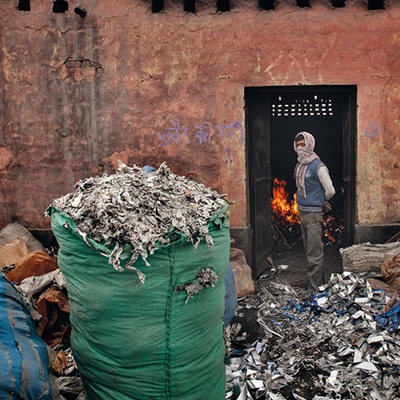
L’esclusione sociale si radica nella pretesa normativa di imporre determinati valori e modelli antropologici che eleggono un modo specifico di pensare l’essere umano come il migliore – se non l’unico – possibile, inferiorizzando coloro che non corrispondono all’idea di soggetto dominante. A queste forme di emarginazione e oppressione delle alterità si affiancano altre e nuove forme di esclusione, correlate all’intreccio sempre più stretto tra il cambiamento climatico, il degrado ambientale e gli effetti dello sviluppo tecno-scientifico. Muovendo da queste premesse, la call invita ad attivare una riflessione multiprospettica e critica sui modi di pensare in more pedagogico l’umano nella pluralità delle sue molteplici e possibili manifestazioni in relazione ai mutamenti che caratterizzano l’attuale scenario. Si tratta di domandarsi come e quali soggettività emergono e si trasformano nei complessi grovigli del mondo contemporaneo per interrogare le implicazioni educative del divenire-soggetti oggi, a partire da condizioni caratterizzate da divergenza e marginalità.
Manifesto della pedagogia laica
2025
Il "Manifesto della pedagogia laica" nasce l’11 dicembre del 2025 dal seminario tenutosi a Roma intitolato Agenda della pedagogia laica. Il movimento, successivo al seminario e promotore del documento, ha lavorato in forma collettiva e pluralista, tenendo sempre come punto fermo il riferimento alla Costituzione italiana e all'idea di laicità problematica, critica e dialogica.
Speciale MeTis - Educazione civica globale. La dimensione globale nel curricolo di Educazione civica della scuola secondaria
V. 9 (2026)
Il fascicolo monografico presenta i risultati del progetto di ricerca Global Civic Education. Trasformare l’educazione alla cittadinanza globale in pratica attraverso l’educazione civica (GloCivEd), progetto di rilevante interesse nazionale finanziato nell’ambito del PNRR. La ricerca, coordinata dall’Università di Bologna (PI M. Tarozzi), ha avuto un duplice obiettivo: analizzare come le politiche globali sull’Educazione alla Cittadinanza Globale (ECG) si innestano nelle politiche educative delle scuole italiane e indagare se e come la cittadinanza globale venga integrata nell’istruzione secondaria di secondo grado attraverso l’Educazione Civica, reintrodotta come insegnamento obbligatorio dalla Legge 92/2019. A partire da tali analisi, il progetto intende proporre un quadro interpretativo utile a sostenere l’introduzione dell’ECG nelle pratiche scolastiche.
Il progetto GloCivEd è stato articolato in tre aree di ricerca, coordinate da tre Unità di Ricerca Locali:
La prima area, coordinata dall’Università di Bologna (PI M. Tarozzi), ha analizzato le definizioni accademiche di ECG e le politiche globali, regionali e nazionali che ne orientano l’attuazione nel contesto italiano.
La seconda area, condotta dall’Università di Foggia (coordinatrice I. Loiodice), ha indagato rappresentazioni, convinzioni e pratiche dei docenti della scuola secondaria rispetto all’ECG e alla sua integrazione nell’Educazione Civica.
La terza area, coordinata dall’Università degli Studi Roma Tre (coordinatore M. Catarci), ha esplorato le esperienze e gli apprendimenti degli studenti, analizzando l’impatto dei temi e degli approcci dell’ECG sul loro impegno civico.
Gli articoli contenuti in questo fascicolo riportano analiticamente i risultati delle indagini condotte dalle tre unità di ricerca.
Saggi di: Giuseppe Annacontini, Lavinia Bianchi, Aurora Bulgarelli, Alessandra Casalbore, Marco Catarci, Daniela Dato, Francesca Gabrielli, Giuditta Giuliano, Manuela Ladogana, Isabella Loiodice, Marcella Milana, Valerio Palmieri, Ilaria Paolicelli, Annalisa Quinto, Veronica Riccardi, Lisa Stillo, Massimiliano Tarozzi, Luca Vittori
Romanzi di formazione, tra la grande tradizione del Bildungsroman e nuovi linguaggi narrativi
V. 15 N. 2 (2025)
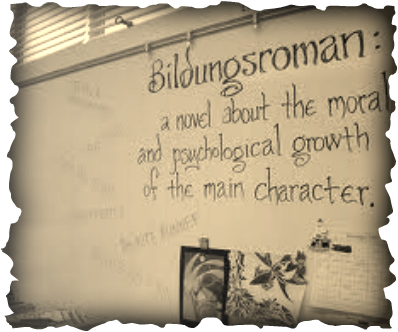
Siamo agli albori del XIX secolo quando il Wilhelm Meister di Goethe segna, convenzionalmente, la nascita del Bildungsroman, il romanzo di formazione, per quanto Redfield abbia sottolineato a più riprese la difficoltà di inquadrare tale categoria letteraria in maniera univoca e rigorosa.
Ciò non toglie fascino e importanza alle tante espressioni del romanzo di formazione che ripropone, oltre al piacere della lettura in sé, anche l’esperienza della sfida, della crescita, dell’esperienza formativa e trasformativa.
Il valore pedagogico di questa scrittura appare evidente, non meno che il suo trasformarsi in relazione ai cambiamenti sociali, culturali, immaginali e, soprattutto, mediali. Questo definisce il campo di interesse del nuovo numero di MeTis che chiede di riflettere e proporre contributi che sappiano interpretare sia tradizionalmente, sia innovativamente il valore pedagogico del raccontare storie di formazione. Ci pare evidente che siamo sulla soglia che unisce-e-separa narrazioni della formazione classiche e di avanguardia. Questione che riteniamo importante da focalizzare in more pedagogico.

La differenza fa paura: l’educazione come contrasto alla violenza e per la promozione di una cultura dell’alterità
V. 15 N. 1 (2025)
Come resistere alla violenza e come persistere nell’azione di contrasto a essa e, anzi, ampliarne la potenza e la diffusione attraverso l’educazione, nella molteplicità dei luoghi di vita e di esperienza? Come “entrare” nei meccanismi di costruzione di stereotipi e pregiudizi per provare a decostruirli, opponendo a essi logiche e pratiche di reale conoscenza e di comprensione reciproca?
A partire dall'approfondimento del costrutto della "differenza", si chiede agli Autori e alle Autrici di argomentare intorno alle reali possibilità di scrivere con altre regole le relazioni tra i generi, le culture, le età, le differenze psicofisiche, proponendo forme, linguaggi, contesti attraverso cui l’azione educativa può agire nella direzione del rispetto e del riconoscimento di tutte le forme dell’alterità.

L’infanzia delle dittature
V. 14 N. 2 (2024)
Gli ultimi dati del Democracy Index, a cura del Economist Intelligence Unit’s, ci restituiscono un mappamondo a macchia di leopardo dove solo il 6,4% della popolazione mondiale coinvolta nell’indagine vive in contesti che possono essere considerati “pienamente democratici”.
Ciò obbliga i ricercatori ad assumere una attenta postura epistemico-metodologica, improntata all’analisi delle condizioni storico-materiali dell’educazione, per ricavare e/o derivare le modellistiche pedagogiche (esplicite e implicite) che orientano la formazione degli immaginari, delle tavole etiche, delle formae mentis delle infanzie.
Cosa significa essere “infanzia nelle/delle dittature”? quale infanzia nasce ed è nata nelle dittature? quali “infanzie comunicano” le dittature?

"Senza" lavoro
V. 14 N. 1 (2024)
Si può vivere "senza” lavoro? Il lavoro è o non è un bene comune?
Sono passati anni da un famoso volume di Rifkin dal titolo “La fine del lavoro” e dal “Manifesto del post-work” di Aronowitz in cui si immaginava una nuova società in cui il lavoro avrebbe assunto nuove forme, da una parte, incrementando fenomeni complessi come la disoccupazione e la mobilità e, per paradosso, dall’altra, aprendo a possibilità di ripensare il rapporto tra vita e lavoro, fino a estremizzarlo nella scelta di lavorare meno per vivere meglio.
Possibilità questa che, nel ventunesimo secolo, soprattutto in epoca post-pandemica, ha trovato la sua manifestazione più eclatante nei fenomeni della great resignation e del quiet quitting che raccontano di uomini e donne disposti a rinunciare a un lavoro sicuro, a “lavorare meno” per un lavoro di qualità o di "prendere le distanze" e dar nuovo senso all'attività professionale per recuperare e non perdere la dignità del soggetto-persona e la qualità della vita.
Ma si può davvero vivere "senza" lavoro?

“Scienza BRUTTA” ma sempre scienza. Limiti e opportunità educative della divulgazione scientifica
V. 13 N. 2 (2023)
Non è possibile ignorare l’importanza della funzione che, nella società contemporanea, riveste la divulgazione scientifica. Negli ultimi anni tale prassi, dall’alto valore educativo, formativo e istruttivo, ha cambiato media e volto in maniera impressionante, ricorrendo, con sempre maggior efficacia, agli strumenti informatici, sempre più utilizzati, soprattutto dai giovani e giovanissimi, per “darsi (più che farsi) un’idea” del mondo che li circonda.
L’incremento del flusso informativo ha naturalmente moltiplicato rischi e opportunità intrinseche alla divulgazione scientifica, riproponendo problemi antichi che sollecitano la pedagogia a promuovere un habitus critico e problematizzante sia rispetto alla fruizione dei contenuti divulgati sia alla produzione degli stessi per il vasto pubblico di utenti.
Alle radici… della pace e della guerra
V. 13 N. 1 (2023)
Il tema della guerra e della conseguente urgenza di pace è oggi tragicamente attuale e si accompagna a posizioni estremamente variegate e troppo spesso tra loro contradditorie.
Il confronto con la materialità della devastazione prodotta dalle guerre rende estremamente difficile anche solo problematizzare in forma costruttiva progetti e percorsi di educazione alla pace, ma proprio per questo è compito della pedagogia “promuovere” e “lavorare per” la pace a partire dal disvelamento degli espliciti e impliciti congegni, di natura pedagogico-didattica, che rendono fragile la strutturazione e la sostenibilità del suo essere desiderabile.

Il corpo, luogo di attraversamenti e ibridazioni
V. 12 N. 2 (2022)
La contemporaneità ci esorta ormai da tempo a porre attenzione alle trasformazioni che stanno attraversando i corpi in seguito ai cambiamenti culturali, scientifici e tecnologici che la caratterizzano.
Rispetto a tali trasformazioni, quale peso ricopre il processo di ibridazione di identità alterità, maschile/femminile, naturale e artificiale che attraversa il corpo, nella costruzione dell’identità? Quale spazio di innovatività va riservato ai saperi? Come cambia il rapporto tra la pedagogia e le altre scienze?

La famiglia: crisi, morte o rinascita?
V. 12 N. 1 (2022)
La nascita dell’istituzione famiglia si perde nella notte dei tempi ma – a nostro avviso – la sua inalterata fondamentalità si regge proprio sulla capacità di modificarsi, adattandosi creativamente e costruttivamente rispetto alla propria epoca e appartenenza storica, sociale, culturale. Segnata, nel bene e nel male, dalle trasformazioni del proprio tempo, è chiamata ancor oggi a interrogarsi sul suo essere fondamento di una società che viene a vario titolo definita “liquida” (Bauman), “del rischio” (Beck), dei “legami fragili” (Sennett).
Se pensiamo, con Donati, che «la famiglia è l’ordine relazionale della realtà, fatta di individui ma soprattutto di relazioni», pedagogicamente vale allora la pena tornare a riflettere sull’idea di «famiglia come sorgente di beni (e mali) relazionali per sé stessa e per la comunità». Senza dimenticare gli studi ormai classici degli anni Settanta, come quelli di Horkheimer e di Cooper, che avevano denunciato la “scomparsa” e la “morte” della famiglia ma, al contempo, capitalizzando la sua capacità di riuscire ad attraversare le perturbazioni della crisi mantenendo la sua pregnanza generativa, innanzitutto, di affetti, di emozioni, di sentimenti, di relazioni a loro volta fondamento di pensieri, di idee, di valori.

Speciale MeTis - QUE VIVA FREIRE! Epistemologia umanizzante, traiettorie partecipative, prospettive di speranza
V. 6 (2022)
In occasione del centesimo anniversario della nascita di Paulo Freire (21 settembre 1921-2021) si sono moltiplicati nel mondo eventi che hanno celebrato la sua opera e la fecondità del suo pensiero. La proiezione universale di questo filosofo e pedagogista ha ottenuto un riconoscimento mondiale, non solo per il valore intrinseco delle sue opere, tradotte ormai in numerose lingue, ma anche e soprattutto per il suo ruolo di “apri-pista” per l’educazione del futuro. Un futuro che riflette un’educazione diversa, radicata nei principi di emancipazione, diritti, giustizia economica e sociale, partecipazione, rispetto della natura e degli esseri viventi, riscatto politico delle minoranze e cittadinanza planetaria.
Nel volume sono raccolti i saggi di Silvia Maria Manfredi, Silvio Premoli, Heinz-Peter Gerhardt, Andrea Mulas, Afonso Celso Scocuglia, Silvia Maria Manfredi, Mariateresa Muraca, Eunice Macedo, Gisella Vismara, Francesca Aloi, Vito Minoia, Jarina Rodrigues Fernandes, Paolo Di Rienzo, Luiza Cortesão, Antonella Cuppari, Sara Bornatici, Nicola Andrian.

La “bellezza collaterale” del tempo dell’emergenza
V. 11 N. 2 (2021)
Quanto siamo abituati a cogliere la "bellezza collaterale" delle cose, degli eventi, delle esperienze, anche quelle più perturbanti e drammatiche, quelle che espongono al disorientamento e alla sconfitta, all’isolamento e alla rinuncia? Quanto e in che modo può essere possibile fare tesoro delle evenienze drammatiche che, spesso all’improvviso, colpiscono singoli e collettività, imparando a ricercare la bellezza nella catastrofe, il progetto nella sconfitta, la soluzione nella dissoluzione? Imparando, cioè, a trasformare il dolore in crescita, la perdita in nuove opportunità, l’isolamento sociale in riscoperta di relazioni affettive dimenticate o date per scontate?
Questo numero presenta una articolata rassegna di riflessioni sul ruolo che la pedagogia può svolgere nella capacità di dare valore a quella “bellezza collaterale” che proprio la formazione può attivare.

Storie dis-seminate e impliciti della storia collettiva
V. 11 N. 1 (2021)
Nessuna cultura o società può essere o vivere senza storie, tanto quelle ufficiali, testimoniate dalle fonti primarie e depositate nella manualistica e nella saggistica scientifica, quanto quelle diffuse, disperse nelle tracce depositate - spesso nel profondo - dell’iconografia, dei linguaggi, degli immaginari, dei comportamenti, delle cronache che, immersivamente, ospitano la quotidiana vita di ciascun soggetto.
MeTis, con questa Call, intende presentare studi e ricerche inerenti quell'implicito pedagogico proprio di questa seconda "memoria storica", recuperando differenti modalità di trasmettere e costruire storie e narrazioni, esplicite ed implicite, che agiscono, più o meno intenzionalmente, sulla definizione delle diverse identità del soggetto, bambino e adulto. Saranno dunque accettati lavori che indaghino, teoricamente e/o praticamente, i dispositivi, le fonti e i beni materiali e immateriali, che hanno agito o agiscono per la conservazione e attivazione della memoria storica di eventi, personaggi, principi, valori.

Economia e pedagogia: le ragioni del dialogo
V. 10 N. 2 (2020)
È possibile, in una fase storica che vede il predominio delle logiche neoliberiste, scoprire un legame generativo e trasformativo tra pedagogia, economia ed educazione? È possibile mediare tra i rischi di una economia orientata all’individualismo, al narcisismo, all’utile personale e le possibilità di una economia altra, umanista e solidale, che recuperi il valore etimologico dell’oikos, quell’immagine calda dell’amministrare un bene comune, del condividere, dell’“essere insieme per”?
L’impegno, anche pedagogico, è quello di ristabilire il sostanziale nesso tra economia e società, rivendicando un approccio allo sviluppo centrato sul soggetto-persona che si coniughi con istanze tanto inattuali quanto emergenti quali la felicità, il ben-essere, la speranza, la comunità. Tutto ciò nella convinzione che sia possibile trasformare le famiglie, le scuole, le università, le imprese, le organizzazioni in “cantieri di speranza” per costruire altri modi di intendere l’economia e il progresso, per combattere, con le parole di Bergoglio, la “cultura dello scarto”, per dare voce e dignità a chi non ne ha, per proporre nuovi stili di vita personale e comunitaria.

Potere e seduzione dei media: rivoluzione o involuzione educativa?
V. 10 N. 1 (2020)
I media hanno rappresentato e rappresentano ancor oggi lo strumento privilegiato di diffusione delle informazioni, di confronto e discussione di modelli culturali, a sostegno e garanzia del dibattito pubblico e dei processi di democratizzazione della società. Tuttavia, tale “mandato” si è col tempo complessificato, diventando, contemporaneamente e contraddittoriamente, strumento di manipolazione dell’opinione pubblica, soprattutto per la pervasività ed estensione, nel tempo e nello spazio, dei media utilizzati. Tutto ciò al punto di rendere difficile individuare il confine tra condizionamento e libertà di pensiero e di scelta.
Rispetto a tale scenario, cosa può fare l’educazione? Come può aiutare le donne e gli uomini a scoprire le potenzialità e le insidie che si nascondono, innanzitutto, nella Rete e a educare all’utilizzo corretto dell’informazione e della comunicazione mediale come esercizio reale di cittadinanza attiva?

Infanzie e servizi educativi a Milano. Percorsi di ricerca intervento con bambine, bambini e adulti per innovare il sistema 0-6 comunale
V. 5 (2020)
Milano è aperta e plurale, qui si incontrano stili e culture, in modo inclusivo. Anche nei servizi all’infanzia tutte le diversità sono accolte e valorizzate, perché ogni bambino è unico e diverso dagli altri. Si sperimenta una piccola comunità, che poi dovrà crescere. Si vive la relazione e il dialogo, che si nutre di diversi linguaggi. Si coltiva la curiosità e la scoperta dei luoghi stessi della città.

I discorsi d'odio come problema pedagogico emergente
V. 9 N. 2 (2019)
“Le parole sono pietre, possono essere pallottole. Bisogna saper pesare il peso delle parole e soprattutto far cessare il vento d’odio che è veramente atroce. Lo si sente palpabile attorno a noi” (Camilleri).
È il paradosso, quello icasticamente descritto da Camilleri, di un “immateriale e invisibile palpabile”, di un “quid” fatto della stessa sostanza di ciò che ci mantiene in vita – l’aria che respiriamo – e che, però, può arrivare a uccidere. Spingendo giovani fragili a decidere di mettere fine alla propria vita; abbandonando donne, bambini e adulti alla deriva in balia delle onde; trasformando la libertà di parola in “libertà di uccidere”, di ferire, di offendere e accusare; rispondendo con la violenza alla violenza della parola, del pregiudizio, dello stereotipo ghettizzante, della forzata e forzosa tolleranza, della paura subita e agita.
Non è solo una questione di odio razziale, xenofobo, etnocentrico. È un problema di istigazione all’odio contro la “differenza”, che si caratterizza per l’utilizzo di espressioni che diffondono, incitano, promuovono e sostengono rappresentazioni riduttive e denigranti. Al punto che il rischio imperante è l’abitudine all’odio, l’assuefazione alla “banalità del male” e all’ingiuria. Si tratta, allora, del rischio di abbandonare uomini e donne a una formazione – cognitiva, emotiva ed etica – collerica e intollerante, ad una strutturazione di mappe mentali che dell’odio facciano lo stile per connettere mondo interno e mondo esterno.

Pàthei màthos, ovvero progettare saggezza oltre la conoscenza
V. 9 N. 1 (2019)
“Nessuno mi aveva mai detto che il dolore assomiglia tanto alla paura. Non che io abbia paura: la somiglianza è fisica. Gli stessi sobbalzi dello stomaco, la stessa irrequietezza, gli sbadigli. Inghiotto in continuazione. Altre volte è come un’ubriacatura leggera, o come quando si batte la testa e ci si sente rintronati. Tra me e il mondo c’è una sorta di coltre invisibile. Fatico a capire il senso di quello che mi dicono gli altri. O forse, fatico a trovare la voglia di capire. È così poco interessante. Però voglio avere gente intorno. Ho il terrore dei momenti in cui la casa è vuota. Ma vorrei che parlassero fra loro e non a me” (C. S. Lewis, Diario di un dolore, 1961).
Si aprono, improvvisi, squarci di vuoto. Si approssima, così, un orizzonte complesso, disordinato, confuso, che fa paura, che toglie, come racconta Lewis, parole, pensieri, relazioni. Un orizzonte che modifica il nostro modo di vedere e percepire il mondo, a metà strada tra la percezione di una umanità finita, limitata, mortale e il (talvolta contrastante) desiderio di un infinito, comunque esso si manifesti e lo si intenda. La questione posta, dunque, assume la forma della seguente domanda: in che modo crescere e aiutare a crescere (è questo il senso dell’educazione) anche attraverso il governo della propria finitudine – che non può non ammettere anche la sofferenza, il distacco, la perdita − e, in questo modo, raggiungere quella saggezza capace di dare senso alla vita e alimentare speranza per il futuro?

Saperi e saperi della pratica
V. 8 N. 2 (2018)
Il ruolo di primo piano rivestito dal capitale umano nella società dell’informazione e della conoscenza (White paper on education and training – Towards the Learning Society, 1995), rende attuale e pertinente una riflessione sulle molteplici forme – espresse nel sapere, nel saper fare e nel saper essere – in cui si articola il campo semantico di tale concetto. Nell’intento di costruire le basi per una promettente collaborazione tra saperi formali e saperi della pratica; tra saperi normalizzati e codificati esplicitamente e saperi informali contraddistinti da una componente tacita di conoscenza, il presente numero raccoglie contributi di riflessione teorica o di ricerca empirica relativi ai seguenti temi: - riflessioni storico-filosofiche ed epistemologiche che contribuiscano a chiarire il rapporto tra saperi e saperi della pratica nei diversi ambiti disciplinari; - la dialettica sapere/sapere della pratica nei processi di costruzione della conoscenza; - implicazioni della dialettica sapere/sapere della pratica sulla formazione degli insegnanti; - rapporto tra sapere formale e sapere della pratica nell’azione didattica e nella progettazione curricolare; - rapporto tra scuola e lavoro alla luce del binomio sapere e sapere della pratica; - dimensione pratico-percettiva e corporea dei processi di costruzione della conoscenza; - ruolo sociale ed educativo dell’artigianato culturale.

L’umanità sottovoce: teoria e pratica del dono
V. 8 N. 1 (2018)
Il dono è una forma di resistenza attiva di fronte alle lusinghe pervasive di modelli di vita fortemente individualistici, che nulla hanno a che vedere con la legittima attestazione della propria identità ma che, al contrario, la mortificano nel momento in cui non ne riconoscono la natura ontologicamente relazionale, e dunque aperta e disponibile, in forma gratuita, all’alterità.
Il dono, nella sua reciprocità del dare e del ricevere, vuole essere testimonianza di apertura e di fiducia in una umanità che si riconosce fragile ma che ha scoperto proprio nell’atto del donare le forme e i modi, coerenti con le trasformazioni e le opportunità del tempo presente, per preservare e custodire la propria “umanità”.

Il primato pedagogico dei "beni comuni"
V. 7 N. 2 (2017)
Carlo Maria Martini, nel suo Viaggio nel Vocabolario dell’Etica, scrive che: “L’espressione ‘bene comune’ si compone di due parole: bene e comune. Bene significa il complesso delle cose desiderate che vorremmo augurare a noi e alle persone cui siamo legati. Comune deriva probabilmente dal latino cum munus che vuol dire compito fatto insieme, adempiuto insieme”. Il bene comune è, dunque, ciò che è patrimonio di tutti o, ancor meglio, ciò che garantisce e favorisce “il benessere e il progresso umano di tutti i cittadini”. Ampliando questa definizione, in una conversazione su RAI Filosofia, Stefano Rodotà ha sottolineato come i beni comuni esprimano i diritti inalienabili “che non coincidono né con la proprietà privata, né con la proprietà dello Stato”, includendo il diritto alla vita e anche il diritto alla conoscenza, specificamente, in rete. Proprio la rete è, poi, uno dei beni comuni di ultima generazione che – contrariamente al passato, quando ancora le relazioni erano limitate da materiali variabili spazio/temporali – è oggi è “un bene che implica la condivisione e la partecipazione attiva nella produzione di conoscenza. Ciò implica che non può essere privatizzato né sottoposto a restrizioni”.
Il bene comune è, più in generale, un concetto-sistema valoriale che si richiama a un umanesimo che non può incancrenirsi in personalismi e che, invece, richiede una ri-lettura in chiave ecologica e g-locale della fenomenologia della relazione uomo-mondo, richiamandosi non solo al principio di giustizia ma anche a quello di solidarietà.

"Lavoro liquido". Nuove professionalità nella società dei "lavori"
V. 7 N. 1 (2017)
Il crollo delle ideologie, le dinamiche consumistiche, la sorveglianza e il controllo hanno determinato, ha sostenuto Bauman, un disorientamento e una condizione di permanente incertezza (di “liquidità”) che ha interessato tutti gli ambiti di vita e di esperienza del soggetto tra i quali, a nostro avviso, sicuramente il mondo del lavoro.
L’intento del numero è, dunque, tracciare analisi e proposte pedagogiche che, senza trascurarne le criticità, sappiano disegnare la “faccia buona” del lavoro: un lavoro innanzitutto dignitoso, ma soprattutto capacitante e autorealizzativo, quel lavoro che l’Ilo (Organizzazione mondiale del lavoro) definisce decent, ovvero buono e sano, che non inibisca ma anzi esalti la creatività dei singoli e delle organizzazioni. I saggi e i materiali proposti attraversano la relazione tra sapere pedagogico e formazione-lavoro, nella prospettiva dell’apprendimento permanente, diffuso e profondo (lifelong, lifewide, lifedeep). Ciò a partire dalla consapevolezza che l’idea di educazione al lavoro si sta trasformando potentemente, anche condizionata da una spinta europeista (OECD per es.) che invita a promuovere occupabilità e self-placement dei giovani in una società in cui il lavoro, più che trovarlo, bisogna imparare a cercarlo, inventarlo, riprogettarlo, governarlo in forma critica, costruttiva e creativa.
Per consultare il numero clicca qui

Cornici dai bordi taglienti: sapere pedagogico al di là del saggismo
V. 6 N. 2 (2016)
Isadora Duncan sapeva essere icastica, con il corpo come con le parole. E celebre è rimasta, pare, una sua voce: "Se potessi 'dire' che cosa significa, non avrei bisogno di 'danzarlo'" . Bateson, esperto di "cornici dai bordi taglienti", ha ripreso questa apertura sul "non dicibile" per parlare di quanto, nei linguaggi, si pone su quel piano che separa conscio e inconscio epistemologico.
Proprio questa dinamica tra detto e non-dicibile segna la differenza tra i generi di traduzione del pensiero (letterario, iconico, musicale, mimico gestuale e via dicendo) che, per vie diverse, narrano aspetti della vita che non possono essere completamente esplicitati mentre, allo stesso tempo, non possono non essere comunicati. I linguaggi, ciascuno per propria vocazione, 'possono' esprimere l'indicibile "per altri linguaggi" ed è questa la sfida che la presente call intende porre.
La sfida è integrare il saggismo, l'argomentazione scientifica classica del pensare pedagogico e didattico, attraverso l'uso di altre forme di organizzazione del pensiero: che ne è del non detto e del non dicibile attraverso la parola scritta? Di quanto eccede i limiti materiali dello scrivere saggista? Quanto siamo disposti a investire per indagare questa apertura di senso al fine di non lasciarla andare alla deriva e così perdersi "ai margine del discorso" . Se ordinariamente il pedagogista è riconosciuto dalla comunità scientifica in quanto ha prodotto saggistica pedagogica, è possibile pensare che esso sia tale anche quando, ad esempio, dipinga, poeti, fotografi, danzi di pedagogia?